
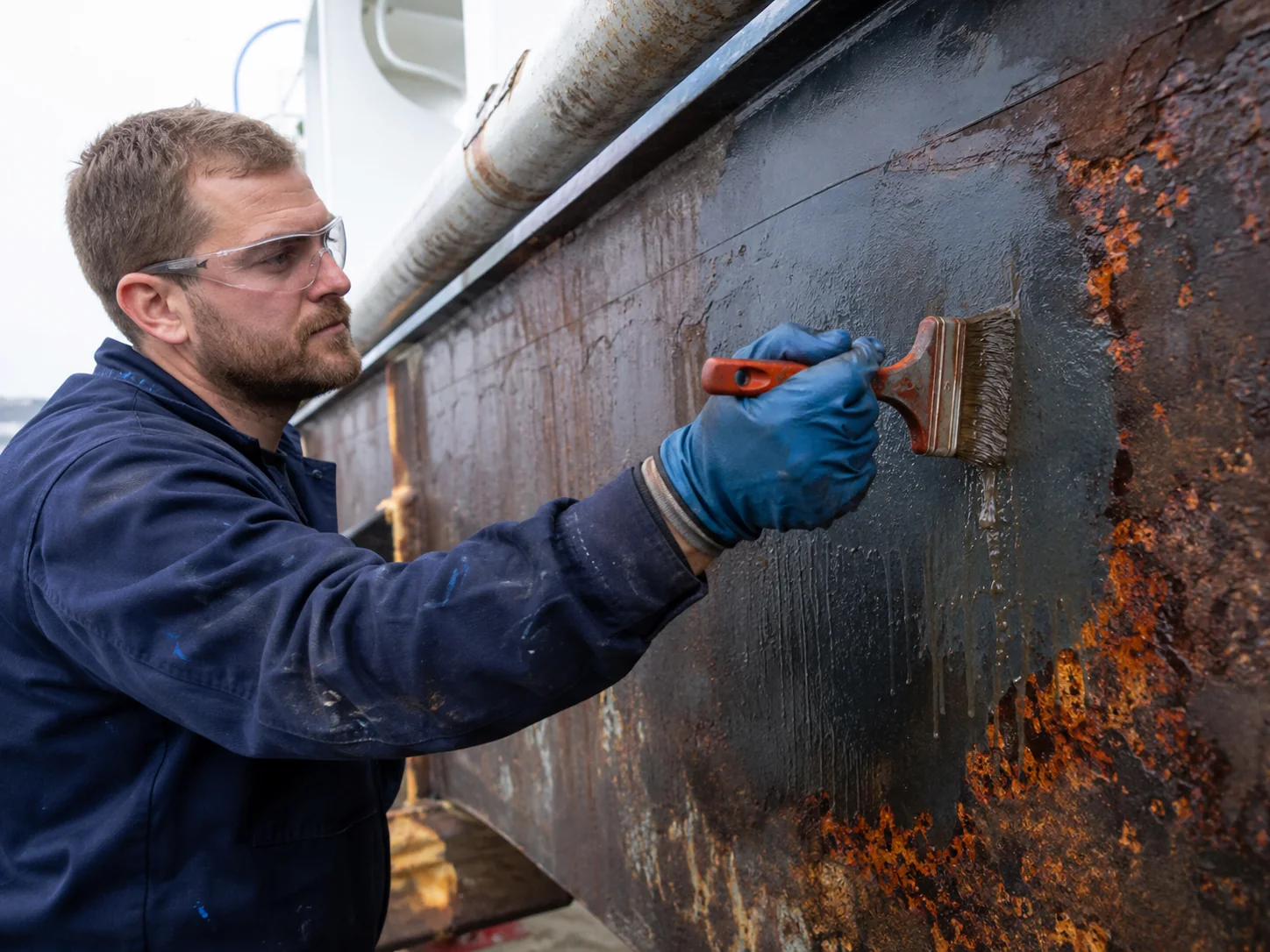
Proper surface preparation helps rust removal work more effectively and reduces the risk of corrosion returning. Learn the essential steps before applying an industrial rust remover.

Article Summary22 sections
Effective rust removal begins before the cleaning chemical is applied. The initial condition of the metal surface can significantly influence how effectively a rust remover reaches and reacts with corrosion deposits.
Oil, grease, dust, loose scale, old coatings, and other contaminants may prevent direct contact between the rust remover and the corroded surface. Proper surface preparation before rust removal is therefore essential for achieving a more consistent cleaning result.
Why Is Surface Preparation Important?
Rust removal is not simply about removing brown discoloration from a metal surface. The process is intended to remove corrosion products so that the underlying material can be inspected, repaired, coated, painted, or returned to service.
Poor surface preparation can reduce chemical effectiveness and result in uneven cleaning.
| Surface Condition | Potential Effect | Preparation |
|---|---|---|
| Oil and grease | May prevent the rust remover from contacting corrosion. | Degrease the surface first. |
| Loose rust | May hide the actual condition of the substrate. | Remove loose corrosion mechanically. |
| Old coating | May prevent chemical access to corroded areas. | Determine whether coating removal is required. |
| Dust and dirt | May contaminate the cleaning process. | Clean the surface before treatment. |
Assess the Corrosion Condition First
Before starting rust removal, inspect the corrosion severity, affected area, base material, component thickness, and overall surface condition.
Light surface rust requires a different approach from heavy scale, layered corrosion, or surfaces affected by significant pitting.
Surface Preparation Steps Before Rust Removal
1. Make the Work Area Safe
Shut down and isolate equipment when required. Follow the site's Lockout/Tagout procedures and provide adequate ventilation. Use appropriate Personal Protective Equipment according to the task and chemical being used.
2. Identify the Base Material
Determine whether the surface is carbon steel, stainless steel, cast iron, aluminium, or another material. Chemical compatibility should always be confirmed using the product TDS, SDS, and manufacturer recommendations.
3. Remove Loose Dirt and Debris
Remove dust, loose scale, dirt, and foreign materials before chemical cleaning. This makes it easier to evaluate the actual corrosion condition.
4. Degrease the Surface
Oil, grease, lubricant residue, and hydrocarbon contamination should normally be removed before rust remover application. These contaminants can act as a barrier between the cleaner and the rust.
5. Remove Loose Rust and Scale
Loose or heavily flaking rust can be removed using appropriate mechanical methods such as brushing or scraping before chemical treatment.
6. Protect Sensitive Areas
Protect seals, gaskets, electrical components, instrumentation, painted surfaces, or other materials that should not come into contact with the chemical.
7. Perform a Test Spot When Necessary
When using a product on an unfamiliar surface, test a small area first. This can help identify unwanted discoloration or material effects before full application.
Checklist Before Applying Rust Remover
| Checklist Item | Expected Condition |
|---|---|
| Equipment isolation | Completed according to site procedure. |
| Material identification | Chemical compatibility confirmed. |
| Oil and grease | Removed as thoroughly as practical. |
| Loose rust | Removed before chemical treatment. |
| TDS and SDS | Available and reviewed. |
| PPE | Selected according to product and site requirements. |
Selecting the Right Rust Remover
A rust remover should be selected according to the base material, corrosion severity, application method, required contact time, and the process that will follow cleaning.
Industrial rust removal solutions can help loosen and remove corrosion deposits when used according to their specified application conditions.
Yume Global Indonesia provides rust removal solutions including Chromax Rust Remover and NEO RR-710 Rust Remover for industrial maintenance applications.
What Should Be Done After Rust Removal?
Once rust has been removed, the exposed metal may begin reacting with moisture and oxygen again if it remains unprotected.
Follow the product instructions for rinsing or neutralization when required, then dry the surface thoroughly.
Inspect the cleaned substrate for pitting, thinning, or other damage. If painting or protective coating will follow, prepare the surface according to the coating manufacturer's requirements.
Preventing Flash Rust
Freshly cleaned metal surfaces may develop a thin layer of corrosion known as flash rust when exposed to moisture or humid conditions.
Proper drying and timely application of an appropriate protective treatment can help reduce this risk.
Common Rust Removal Mistakes
- Applying rust remover over oily or greasy surfaces.
- Failing to confirm chemical compatibility.
- Leaving loose scale in place before treatment.
- Using stronger concentrations than recommended.
- Exceeding the recommended contact time.
- Skipping rinsing when required.
- Leaving the cleaned metal wet.
- Failing to protect freshly exposed metal.
Conclusion
Surface preparation is one of the most important factors in achieving effective rust removal. Even a high-performance cleaner may produce poor results when oil, grease, loose scale, or other contaminants remain on the surface.
A good process includes inspection, material identification, degreasing, loose-rust removal, protection of sensitive components, and selection of a compatible rust remover.
After rust removal, the surface should be rinsed when required, dried, inspected, and protected to reduce the likelihood of corrosion returning.
Frequently Asked Questions
Can rust remover be applied directly to an oily surface?
It is generally better to degrease first because oil and grease may prevent the rust remover from contacting the corrosion effectively.
Should loose rust be removed before chemical cleaning?
Yes. Removing loose rust and scale allows the chemical to act more directly on corrosion that remains attached to the substrate.
Are all rust removers safe for every metal?
No. Compatibility varies by chemical and material. Always review the TDS, SDS, and manufacturer recommendations.
Why can rust return after cleaning?
Freshly exposed metal can react again with oxygen and moisture. If it is not dried and protected after cleaning, flash rust or new corrosion may develop.
Can rust removal repair pitting damage?
No. Rust removal only removes corrosion products. Material loss, pitting, and thinning must still be evaluated after cleaning.
Published: September 15, 2026